At a glance
- Burger quality is shaped by how cheese melts, settles on the patty and integrates into the speed and flow of service.
- Common misuses that affect burger finish include using the wrong slice type or thickness and adding too many slices.
- Other issues include overheating, adding cheese at the wrong stage of cooking and improper handling or storage.
- Effective solutions include using Hi-Melt slices, matching slice thickness to the patty, standardising portioning, controlling heat, ensuring correct timing and maintaining airtight storage with proper rotation.
Cheese affects both the production rate and the quality of a burger. How cheese melts, spreads and settles on the patty directly influences how quickly a burger can be assembled and how consistently it presents at the pass. When cheese is selected or handled incorrectly, it can slow preparation, force staff to intervene mid-assembly or result in burgers that fail to meet customer expectations.
Most issues stem from operational decisions such as using the wrong cheese type, inconsistent storage, excessive heat, poor portion control and adding cheese at the wrong stage of the cooking process. Each of these decisions interferes with melt behaviour, introduces variation and makes consistent execution harder to maintain across service.
Here are the most common cheese mistakes in burger preparation and practical ways to address them, so you can prepare high-quality burgers, maintain consistent presentation and achieve smoother production throughout service.
Using the Wrong Type of Cheese
Foodservice operators can sometimes default to generic cheese slices when cost or convenience drives purchasing decisions. However, generic slices are not engineered for the melt control and coverage required in burger applications. Lower cheese content and artificial flavouring often result in oily melt, separation or patchy coverage. These slices can also develop a rubbery or grainy texture, undermining mouthfeel.
These shortcomings become more obvious during busy service periods, particularly in quick-service and multi-site operations where consistent melt behaviour is critical.
Using Hi-Melt burger cheese slices directly addresses these issues. Designed for burger applications, they melt evenly, retain structure under heat and deliver uniform coverage, supporting predictable results across shifts and locations.
Not Matching the Slice Thickness to the Patty
Cheese needs to melt steadily and cover the patty evenly to support a consistent burger build, and slice thickness plays a central role in doing so. Slices that are too thin can melt away quickly, offering minimal flavour and visual presence. In contrast, thicker slices may melt unevenly and pool around the patty, resulting in a messy presentation and inconsistent mouthfeel.
Selecting a thickness that matches the patty size and cooking method helps avoid these problems. The Burger Cheese Hi-Melt range offers four SKUs (96, 120, 160 and 200), each providing a different thickness and dimensions. The 96-count delivers the thickest slice with fuller coverage, while the 200-count offers lighter coverage and a thinner cheese layer. Matching slice thickness to patty size and cook time ensures the cheese melts at the correct rate and forms a smooth, even layer over the patty.
Read More: One Size Doesn’t Fit All: Why We Offer 4 HI-Melt Slice Sizes
Overloading the Burger With Too Many Slices
Some operators assume that adding extra cheese boosts flavour or signals added value. In practice, excessive layering often causes structural and sensory issues. Too much cheese increases grease and weight, overwhelms the patty and disrupts mouthfeel. It also introduces inconsistency across shifts when slice counts vary between staff.
Defining a standard slice count reduces these risks. Hi-Melt slices are designed to cover the patty evenly and deliver flavour without relying on multiple layers. With clear portioning guidelines in place, operators can maintain balance, protect melt quality and achieve consistent results across every service.
Using Excessive Heat
Even Hi-Melt cheese slices, designed for controlled foodservice-grade melts, can grease out or lose structure if exposed to excessive heat. When temperatures are too high, fat separates, resulting in blistering, oiling and uneven coverage. These problems often occur on flat-top grills, clamshell grills and other commercial equipment where heat levels vary between stations and shifts.
Maintaining a consistent medium heat reduces these risks. Raising temperatures to speed up service or pressing down on the patty after adding cheese can accelerate fat separation and compromise presentation. Allowing the cheese to melt progressively as the patty finishes cooking results in a smooth, stable melt with better visual and textural control.
Adding the Cheese at the Wrong Time
The timing of cheese application directly affects how well it settles over the patty and how evenly it melts. Adding cheese too early exposes it to prolonged heat, causing it to overmelt, slide off or lose structure before the patty is ready. Adding it too late results in partial melt, coverage gaps and delays at pass while staff wait for the cheese to soften.
Correct timing ensures the cheese melts as the patty reaches its final stage of cooking. On flat-top grills, cheese should be added in the final moments to melt fully without collapsing. On clamshell grills, place it just before closing the lid during the final few seconds of cooking. Consistent timing across shifts reduces variation and supports a uniform burger finish throughout the service.
Incorrect Cheese Handling and Storage
Cheese performance depends heavily on how it is stored and handled. Exposure to air dries slice edges, affecting both melt quality and peel performance. Inconsistent refrigeration causes slices to become either too soft to handle cleanly or too firm to melt as expected.
The burger cheese slices should be stored in airtight containers and held at a stable refrigerated temperature (0 to 5°C) to preserve freshness, melt behaviour and easy-peel functionality. Using slices from the packs that are opened first and adopting a FIFO rotation prevents older slices from drying out or losing firmness, ensuring only cheese in optimal condition reaches the grill.
Read More: Common Mistakes When Storing Hi-Melt Cheese Slices and How to Prevent Them
Many cheese-related issues in burger preparation stem from avoidable handling and selection decisions. Choosing the right cheese type and slice thickness, controlling heat, applying cheese at the right moment and maintaining proper storage and rotation all work together to protect melt quality, flavour balance and presentation.
While these practices improve execution, the foundation remains the cheese itself. Careful handling cannot compensate for slices that lack the melt performance or structural integrity required in quick-service burger operations.
High-quality Hi-Melt slices from The Burger Cheese provide the baseline consistency operators need, while the techniques above maintain the burger quality across every shift. Get in touch today to order your supply.
FAQs
What makes cheese stand out to customers before they even take a bite?
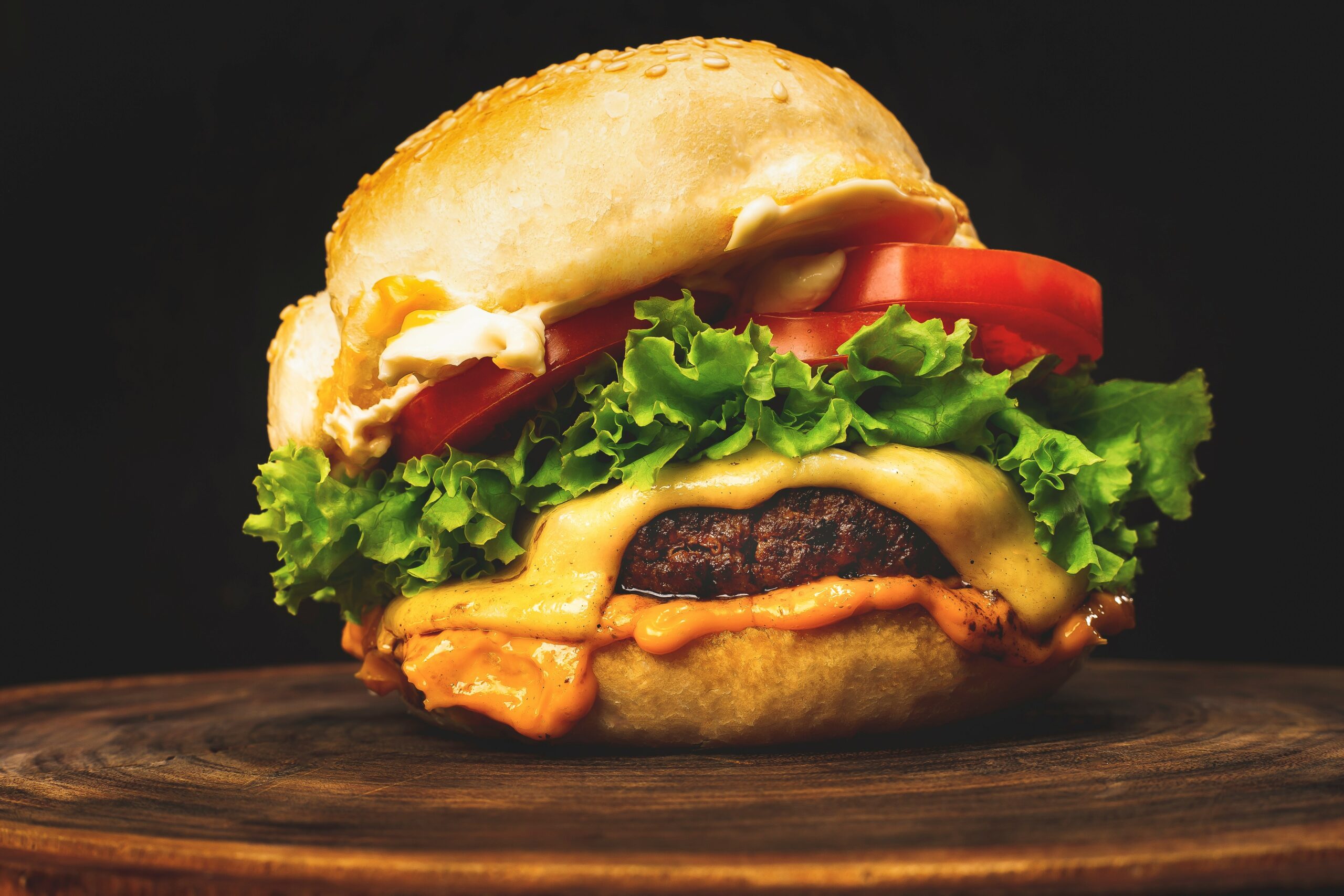
Customers notice melt quality and coverage. Cheese that melts evenly and sits flat on the patty creates clean edges and even coverage. When it separates, pools or turns oily, the change in appearance is immediately noticeable.
Why does cheese melt differently depending on the cooking equipment?
This is because each surface conducts heat differently. Flat tops heat from below, grills transfer heat through direct contact, and clamshells add pressure and top-down heat. Cheese behaves differently under each condition depending on how it’s formulated.
How can operators identify when cheese has been overheated or mistimed?
The signs are visual cues. Blistering, oil separating on the surface, a glossy sheen or slices spreading too far all point to excessive heat or cheese being added too early in the cook.
Why do some burgers hold up better in takeaway packaging than others?
It often comes down to the cheese. Slices with a stable melt hold their shape once wrapped, rather than becoming soft or greasy. This helps the burger layers remain stacked during transport and keeps the burger looking intact on arrival.