At a glance
- Assess where hi-melt slices are used across your menu and how build styles, cooking methods and service conditions affect performance.
- Review supplier information on formulation, melt behaviour, flavour profile and intended applications to identify slices developed for burger-focused foodservice.
- Check slice size, thickness and storage requirements to support consistent patty coverage and predictable results during service.
- Evaluate supplier reliability, including handling guidance, availability and experience supplying high-volume burger operations.
Hi-melt cheese slices influence how a burger looks, tastes and holds together during service. However, not all hi-melt slices perform the same in commercial kitchens. Some melt too quickly, others fail to coat the patty evenly, and many struggle to hold their structure under sustained heat during high-volume service. These inconsistencies affect workflow, presentation and ultimately the customer’s perception of burger quality.
With a growing number of hi-melt options now available, having a clear set of criteria for comparing slices helps operators choose reliable, purpose-built products that meet the demands of busy commercial kitchens.
Below are the key criteria for assessing and comparing hi-melt cheese slice options effectively in foodservice environments.
Key Factors to Consider When Comparing Hi-Melt Cheese Slices
Hi-melt cheese slices differ in formulation and how they perform during service. The following factors outline where those differences matter most in burger-led operations.
- Melting Quality: Melting behaviour is one of the clearest differentiators between hi-melt cheese slice options. Some slices melt slowly and evenly, forming a uniform layer over the patty, while others melt too rapidly and split under heat. Reliable hi-melt cheese, such as The Burger Cheese, should perform consistently across multiple cooking surfaces and heat intensities without breaking down or becoming oily.
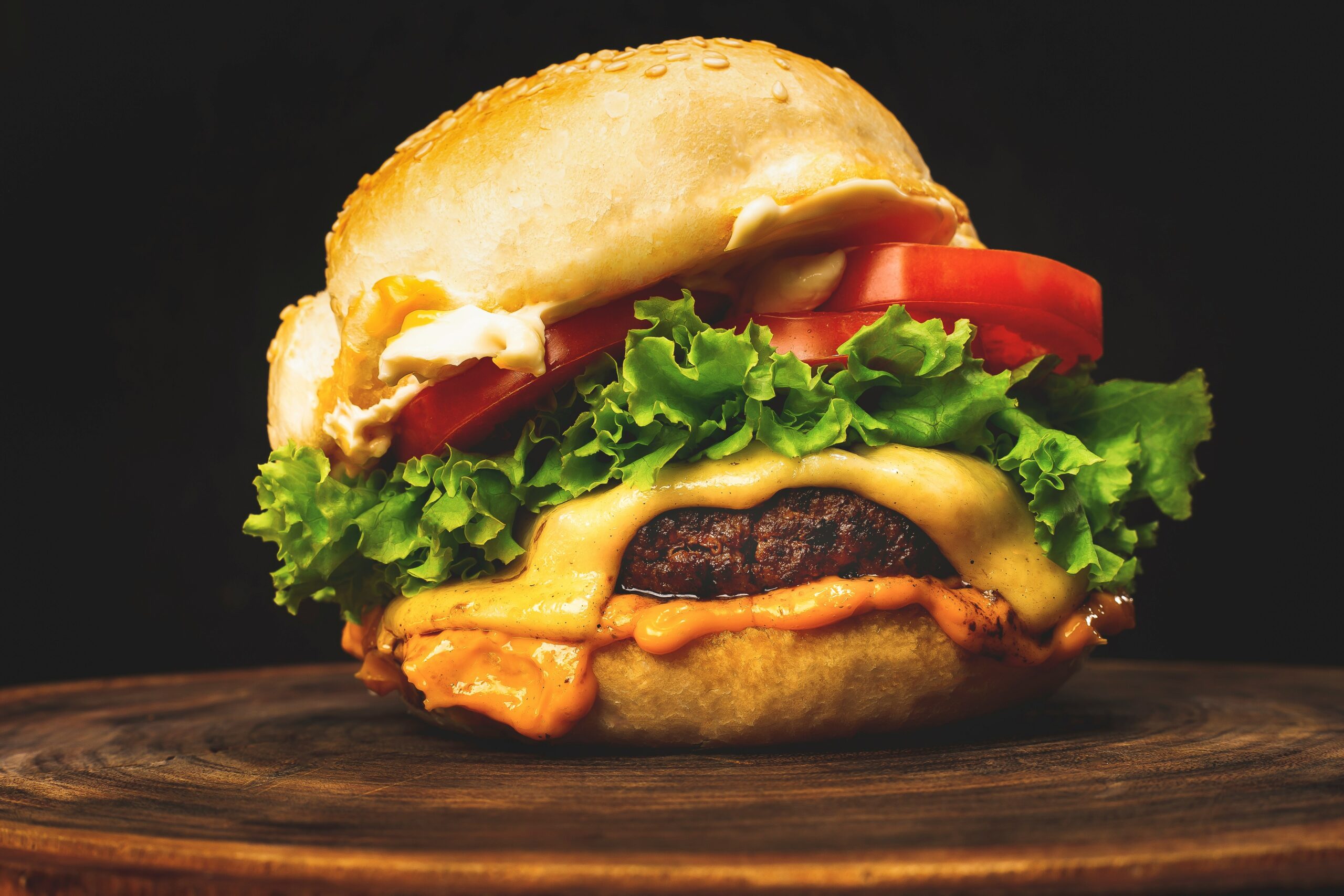
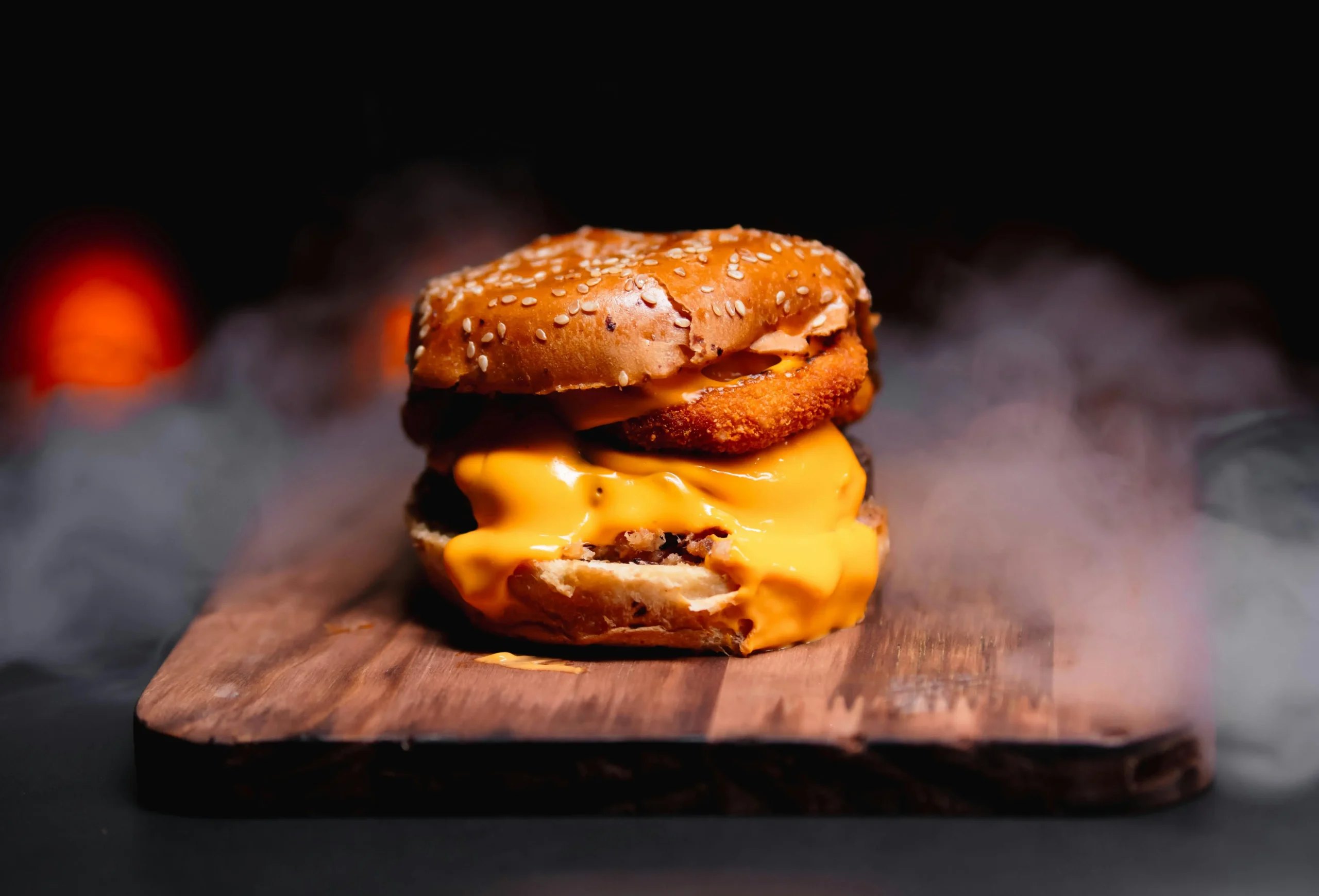
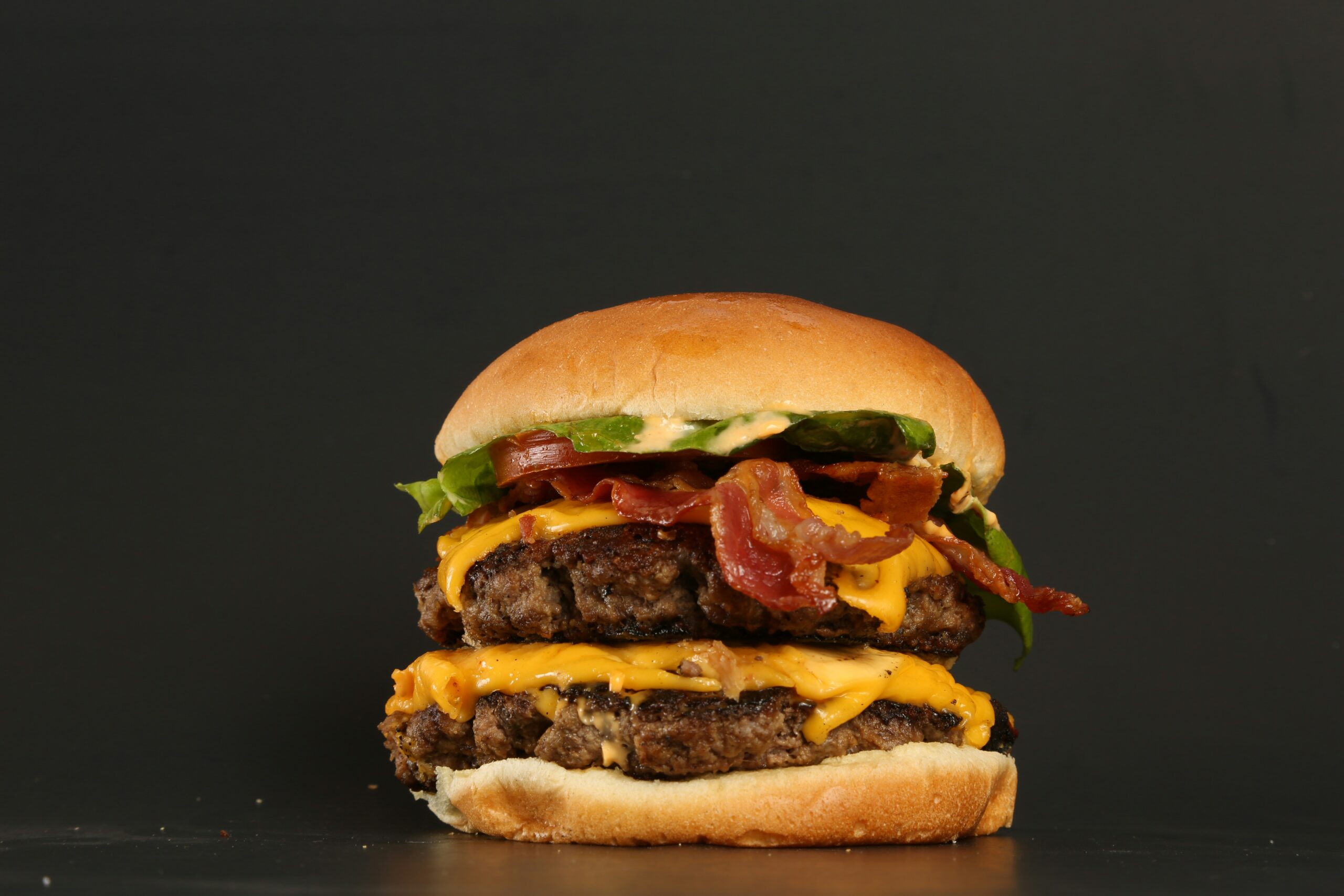
- Visual Appeal: How the cheese looks on the burger affects how it’s perceived during service. Even melt and full patty coverage support a consistent visual finish, while shrinkage around the edges can make builds appear uneven.
- Ingredients: The balance of real cheese, stabilisers, emulsifiers and fillers varies across brands and directly affects how a slice melts and tastes. Formulations with a higher proportion of real cheese and balanced stabilising agents generally produce a smoother melt, a more natural cheese profile and greater stability under heat, supporting consistent results during service.
- Flavour: Some slices deliver a mild profile that supports a variety of burger builds, while others provide a richer cheese note that cuts through heavier patties and loaded toppings. Variations in fat content, cheese percentage and stabilisers influence whether the cheese tastes natural or overly processed once melted, particularly under sustained heat.
- Shelf Life: Shelf life affects stock rotation, ordering patterns and operational efficiency. A longer, more stable shelf life helps reduce waste and simplifies planning, particularly for high-volume, multi-site operations that rely on predictable product performance across repeated deliveries.
- Slice Quality (Thickness and Dimension): Thickness influences how a hi-melt slice performs during prep and how reliably it melts on the patty. The slice should retain its shape during handling but melt evenly when heated. Slice dimensions should match the patty size to ensure full, even coverage without adding extra slices, supporting portion control and consistent presentation.
How to Compare Hi-Melt Cheese Slice Options for Your Foodservice Operation
Comparing hi-melt cheese slice options requires a structured evaluation process focused on performance, flavour and operational fit. The right choice balances consistency, cost and quality for your specific menu and service model.
Consider the Intended Use
Hi-melt cheese performs differently across various menu items or service formats. Comparison needs to reflect how the slice will be used in practice.
Different builds place different demands on the cheese. Standard cheeseburgers, smashed patties and loaded builds may not require the same melt speed, flavour intensity or coverage. Performance can also change when the slice is used on chicken, plant-based proteins or secondary menu items.
Service style further shapes selection. In quick-service and delivery-heavy kitchens, melt consistency carries greater weight during product selection. Operations running multiple grill zones place greater emphasis on performance across varying heat exposure, while multi-site operators often prioritise flavour consistency, slice quality and repeatability between locations. Aligning these priorities early helps focus comparison on slices that suit real operating conditions.
Read more: Mistakes to Avoid When Choosing Burger Cheese for Your Menu
Review Product Information on Supplier Websites
Supplier product pages provide an initial reference point when comparing hi-melt slices. When reviewing these pages, focus on how the product is described in terms of formulation, melt performance and intended foodservice use. Look for ingredient information, as these influence melt behaviour, flavour and overall performance. Cheese slices with fewer artificial additives typically melt more smoothly, deliver a more natural flavour and maintain structure under heat.
Compare how suppliers describe melt behaviour, flavour profile and suitability for high-volume service. Pay attention to whether the product is positioned specifically for burger applications or presented as a general-purpose processed cheese slice. Some suppliers also outline secondary applications such as fries or grilled sandwiches, which may indicate added menu flexibility.
Consider Slice Size, Pack Format and Handling Considerations
Slice size directly affects assembly efficiency. When slice dimensions do not align with patty size, staff compensate during service by using additional slices or repositioning them, which slows preparation and introduces variability across builds and cost. Comparing dimensions upfront helps maintain consistent coverage and portioning across services.
The Burger Cheese Hi-Melt range is supplied in four square slice sizes, ranging from 6.98 cm x 6.98 cm to 8.89 cm x 8.89 cm with varying thickness. Selecting a size that matches patty diameter reduces the need for in-service adjustments and supports consistent portion control and presentation on the pass.
Storage and handling should also be factored into the comparison. Bulky packs that are difficult to reseal cause slices to stick together or dry out, slowing down preparation or increasing waste. When packs do not fit neatly into existing refrigeration space, staff spend time rearranging stock or transferring slices into alternative containers, adding unnecessary handling steps during busy periods.
Read more: One Size Doesn’t Fit All: Why We Offer 4 Hi-Melt Slice Sizes
Evaluate Supplier Quality and Reliability
Beyond the product itself, supplier reliability plays a major role in long-term operational performance. Review whether suppliers provide clear handling guidance, storage instructions and application notes that reflect real commercial use.
Assess whether the supplier demonstrates an understanding of burger-led foodservice, including high-volume service demands and the need for consistent melt, flavour and appearance across builds. Reliability factors such as availability, delivery consistency and the ability to supply multiple locations should also be considered.
These elements determine how well a hi-melt cheese slice integrates into daily operations and whether it can support long-term menu and volume requirements.
Choosing the right hi-melt cheese slice comes down to understanding how each option performs in the areas that matter most to your operation. Reviewing ingredients, flavour, melt behaviour, visual appeal, shelf life and slice structure provides a clear view of quality. Assessing how these factors align with your menu, equipment and service style helps narrow the best fit.
By combining technical criteria with operational requirements, operators can select a hi-melt cheese slice that supports workflow efficiency while delivering a consistent high-quality burger experience.
Review The Burger Cheese Hi-Melt range and assess how its slice options align with your menu, equipment and service style.
FAQs
Why do some hi-melt cheese slices perform better than others?
Performance differences usually come down to formulation and manufacturing. The balance of natural cheese content, fat, moisture and stabilisers determines melt performance, flavour and visual appearance. Slices built specifically for burgers and high-volume service, like The Burger Cheese, have superior melt performance, a rich, creamy taste and a vibrant colour that generic processed cheese slices lack.
Does hi-melt cheese behave differently on plant-based patties?
Hi-melt cheese can behave slightly differently on plant-based patties due to differences in surface moisture and heat transfer. However, when the formulation is stable, the slice still melts evenly and maintains coverage across beef, chicken and plant-based proteins, supporting a consistent visual finish across builds.
How can operators test hi-melt cheese performance before committing to a product?
Hi-melt cheese can be assessed in live service for short trial periods using standard patties, equipment and cook times. In doing so, differences in melt behaviour, coverage and handling become clear under service pressure, particularly during peak periods. Observing how the cheese performs during fast assembly and repeated builds in the actual kitchen provides a more reliable basis for comparison than specifications or sample tastings alone.